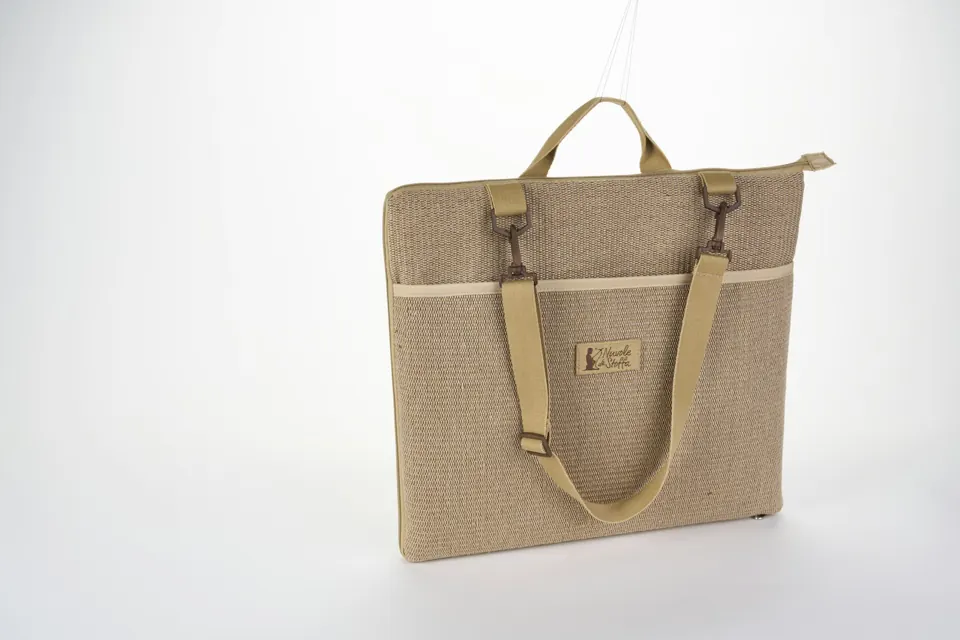
 5 materials
Conference Bags
Branded delegate bags and folio bags for conferences, seminars and exhibitions.
Materials: Polyester, Jute, Canvas, Non-Woven (PP), PU Leather
Material comparison
Natural, biodegradable fibre with a strong eco-friendly appeal. Durable, colour-fast and economical for most everyday bags.
Here is how jute and polyester compare for bulk and custom bag orders.
Jute vs polyester: durability is similar, cost is similar and jute is more eco-friendly. Choose by use, budget and the look you want.
Updated by the Vago team
Ratings compare material classes in general (5 = best); the grade you choose changes the result.
Jute is a natural fibre grown and processed extensively in eastern India. Jute bags are sturdy, biodegradable and carry an eco-friendly image that retailers, brands and event organisers value. Laminated jute adds water resistance and a cleaner print surface; unlaminated jute keeps a fully natural look.
Things to consider: Natural jute has a coarse texture — fine logo detail prints better on laminated jute or juco.
Polyester — including 600D and 1680D oxford fabrics — is the workhorse material for school bags, college bags, laptop backpacks, sports bags and promotional bags. It is durable, holds colour well, takes printing and embroidery, and keeps unit costs predictable on large orders.
Things to consider: Higher denier fabric (e.g. 1680D) is tougher and heavier — choose by use.
5 materialsBranded delegate bags and folio bags for conferences, seminars and exhibitions.
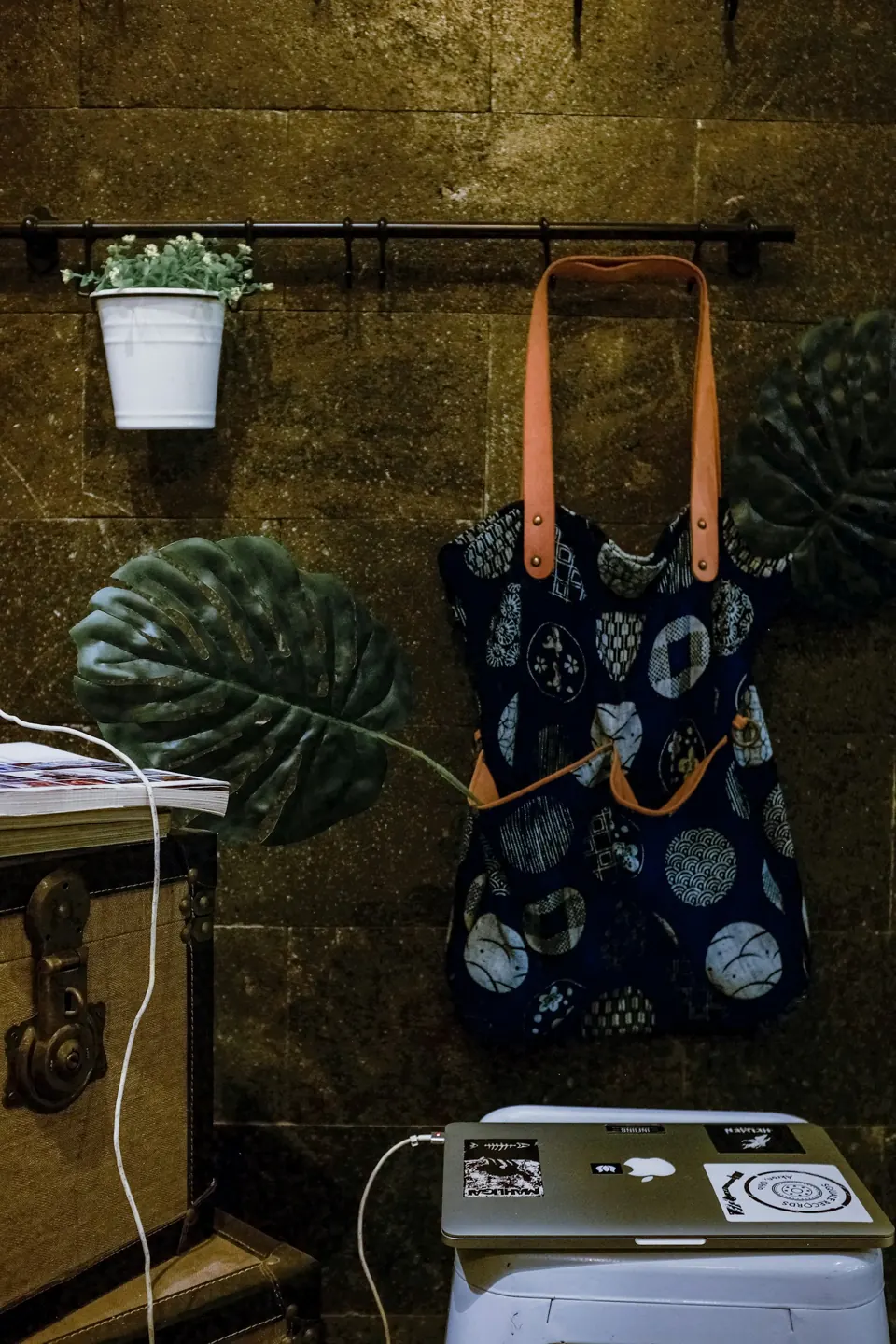 6 materials
Logo-printed bags for campaigns, launches, exhibitions and giveaways.
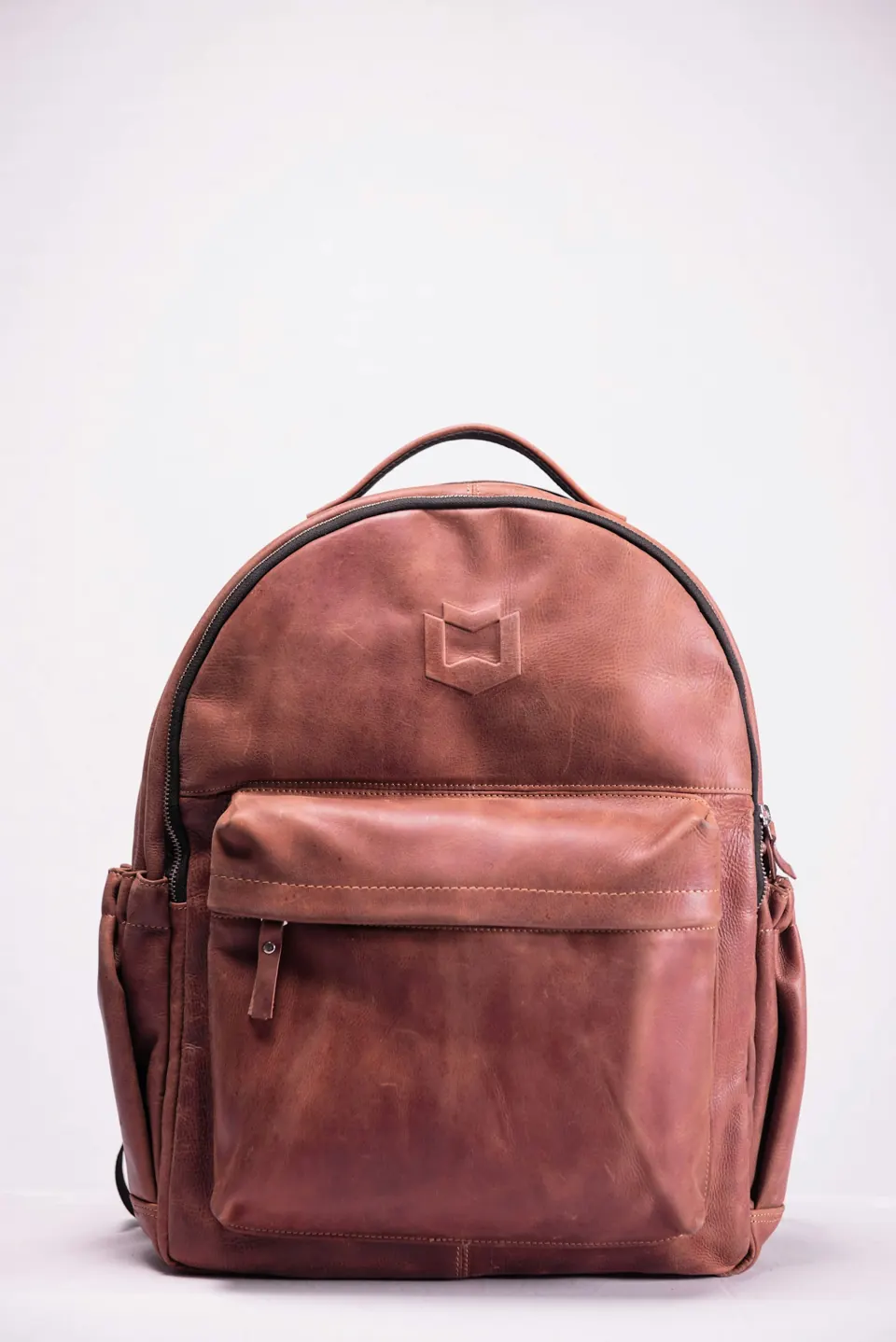 6 materials
Premium branded bags for employee, client and festive corporate gifting.
4 materialsZip file bags and document folders for offices, banks and field teams.
Trade terms used on this page, in plain language.
Something else? Ask on WhatsApp and the production team will reply.
They are broadly similar in durability; the grade and construction matter more.
Both sit at a similar cost level; size, branding and quantity decide the final price.
Jute has the stronger eco-friendly profile in general.
Polyester gives sharper print results.
Samples can be arranged before bulk production so you can check material, stitching, size and branding. Sample terms are confirmed with your quote.
Share the bag type, quantity, material and branding. We reply with specifications, MOQ and pricing, and arrange a sample first.