Material guide
Best material for jhola bags
Jhola Bags are made in cotton, jute, canvas and juco (jute-cotton blend). The right choice depends on what matters most — durability, cost, print quality or an eco message.
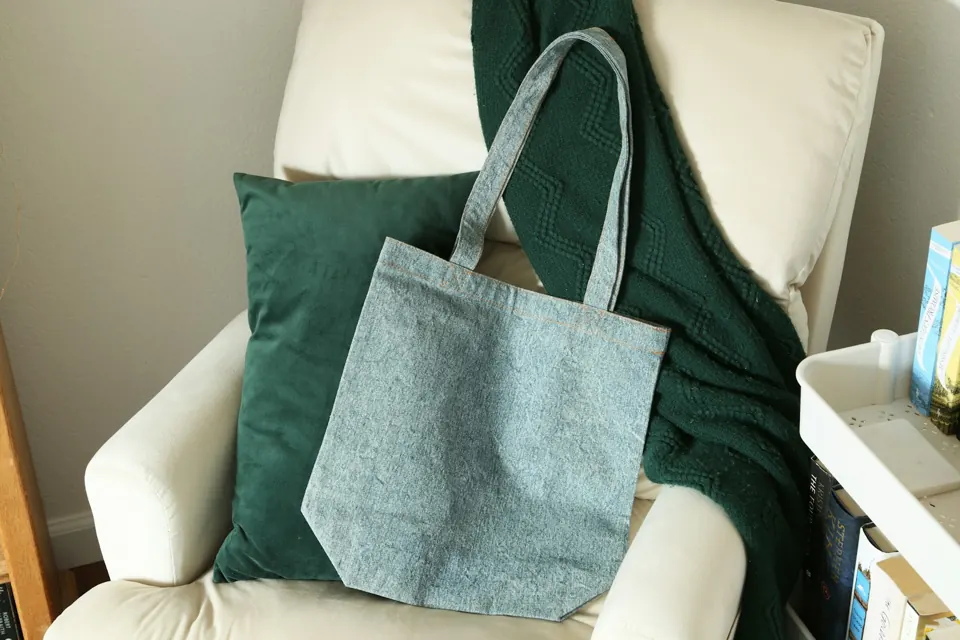
Quick answer
For jhola bags, jute lasts longest, cotton is the most economical and jute has the strongest eco profile. Most bulk buyers balance durability against unit cost.
Updated by the Vago team
Key takeaways
- Longest life: Jute
- Rain and spills: Jute
- Sharp logo printing: Cotton
- Eco message: Jute
- Lowest budget: Cotton
Jhola Bags materials compared
Ratings for the materials we use for jhola bags (5 = best).
Ratings compare material classes in general (5 = best). Actual performance depends on the grade, weight and construction you choose.
Best material for jhola bags, by priority
How each material is specified
What to watch for with each material
- Cotton: Light cotton is economical for giveaways; heavier cotton for daily grocery use.
- Jute: Natural jute has a coarse texture — fine logo detail prints better on laminated jute or juco.
- Canvas: Heavier canvas costs more but lasts longer — match GSM to the load.
- Juco (Jute-Cotton Blend): Usually priced between cotton and laminated jute.
Terms explained
Trade terms used on this page, in plain language.
- GSM (grams per square metre)
- A measure of fabric or paper weight — higher GSM is heavier and usually stronger.
- Lamination
- A thin film bonded to a fabric or paper for water resistance and a cleaner print surface.
- Juco
- A blend of jute and cotton fibres.
- Biodegradable
- A material that breaks down naturally over time.
Questions buyers ask
Something else? Ask on WhatsApp and the production team will reply.
What is the most durable material for jhola bags?
Jute. Several years of shopping use.
What is the cheapest material for jhola bags?
Cotton is the most economical option we use for jhola bags.
Which material is most eco-friendly for jhola bags?
Jute. Natural, biodegradable fibre with a strong eco-friendly appeal.
Which material is best for printing a logo on jhola bags?
Cotton gives the sharpest print among the materials used for jhola bags.
Request a quote for jhola bags
Share quantity, size, material and branding. We reply with specifications, MOQ and pricing, and arrange a sample first.