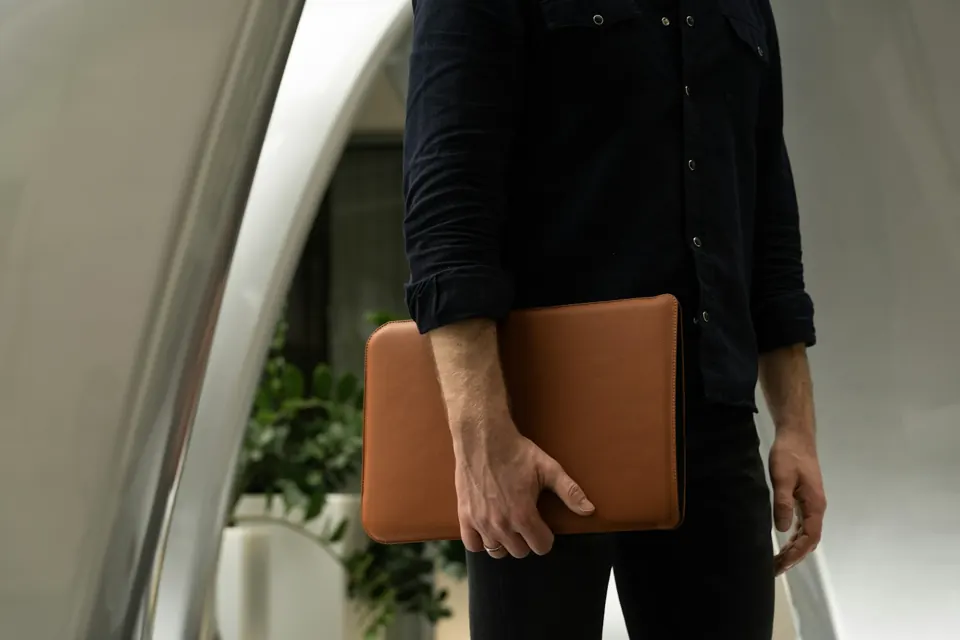
 4 materials
Laptop Sleeves
Slim, cushioned sleeves sized for specific laptops and tablets.
Materials: Neoprene, Polyester, PU Leather, Synthetic / Faux Leather
Material comparison
Durable, colour-fast and economical for most everyday bags. Cushioned, stretchy fabric for sleeves and protective cases.
Here is how polyester and neoprene compare for bulk and custom bag orders.
Polyester vs neoprene: Polyester is more durable, polyester is more economical and polyester is more eco-friendly. Choose by use, budget and the look you want.
Updated by the Vago team
Ratings compare material classes in general (5 = best); the grade you choose changes the result.
Polyester — including 600D and 1680D oxford fabrics — is the workhorse material for school bags, college bags, laptop backpacks, sports bags and promotional bags. It is durable, holds colour well, takes printing and embroidery, and keeps unit costs predictable on large orders.
Things to consider: Higher denier fabric (e.g. 1680D) is tougher and heavier — choose by use.
Neoprene is a soft, cushioned synthetic rubber fabric used for laptop sleeves, tablet covers, bottle covers and lunch bags. It absorbs minor knocks and takes sublimation printing well.
Things to consider: Usually sized to a specific device — share dimensions.
4 materialsSlim, cushioned sleeves sized for specific laptops and tablets.
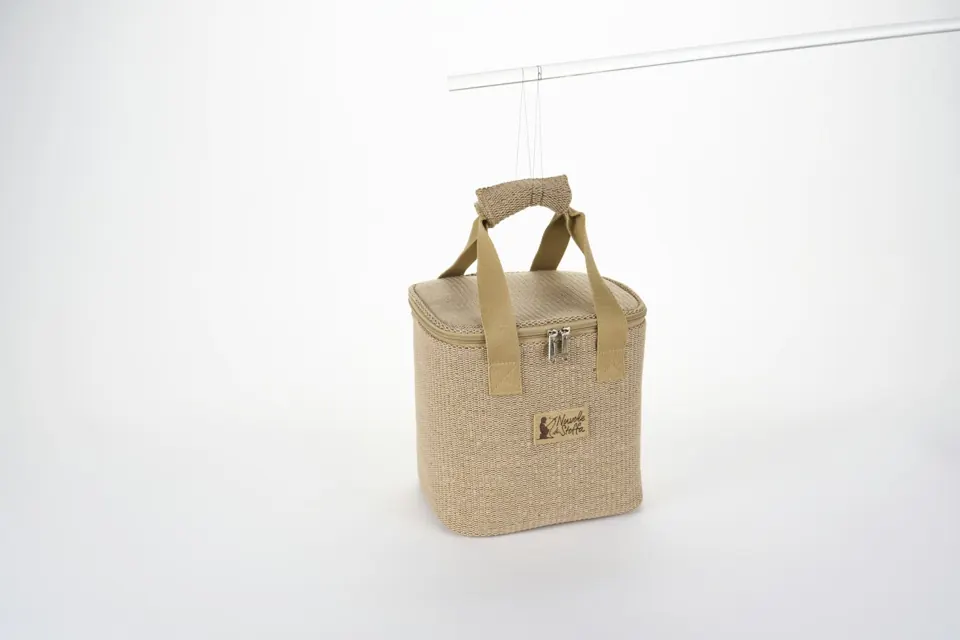 3 materials
Branded thermal lunch bags for employees, schools and promotions.
Swim bags with wet compartments and mesh ventilation for swimmers, clubs and pools.
Insulated and fabric water-bottle carriers for promotions, events and outdoor use.
Trade terms used on this page, in plain language.
Something else? Ask on WhatsApp and the production team will reply.
Polyester is generally more durable, though a heavier grade of either material narrows the gap.
Polyester is usually the more economical choice (economical). Final price also depends on size, branding and quantity.
Polyester has the stronger eco-friendly profile in general.
Neoprene gives sharper print results.
Samples can be arranged before bulk production so you can check material, stitching, size and branding. Sample terms are confirmed with your quote.
Share the bag type, quantity, material and branding. We reply with specifications, MOQ and pricing, and arrange a sample first.