 2 materials
Jute Bags
Eco-friendly jute shopping, gift and promotional bags with printed branding.
Materials: Jute, Juco (Jute-Cotton Blend)
How-to guide
Every reusable material has trade-offs. Matching the bag to how it will be used matters more than the material label.
Pick the material by use: jute for strong, natural-looking shopping and gift bags; cotton for washable, printable totes; recycled PET for durable, water-resistant bags; and paper for retail packaging. The greenest bag is the one customers reuse many times.
Updated by the Vago team
Daily grocery use, one-time event giveaway and premium retail packaging need different bags.
Jute is strong and biodegradable; cotton is washable; rPET reuses plastic bottles; paper suits short-term retail use.
Lamination, PVC coatings and synthetic trims reduce biodegradability — mention them accurately.
A good size, strong handles and an attractive design make people keep and reuse the bag.
2 materialsEco-friendly jute shopping, gift and promotional bags with printed branding.
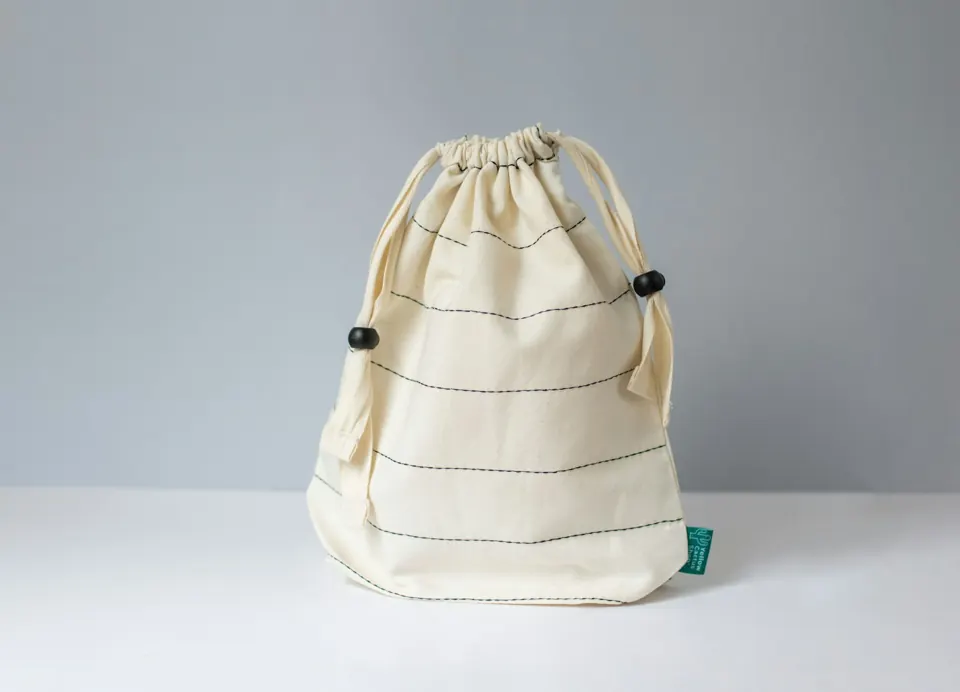 2 materials
Reusable, washable cotton bags for stores, brands and promotions.
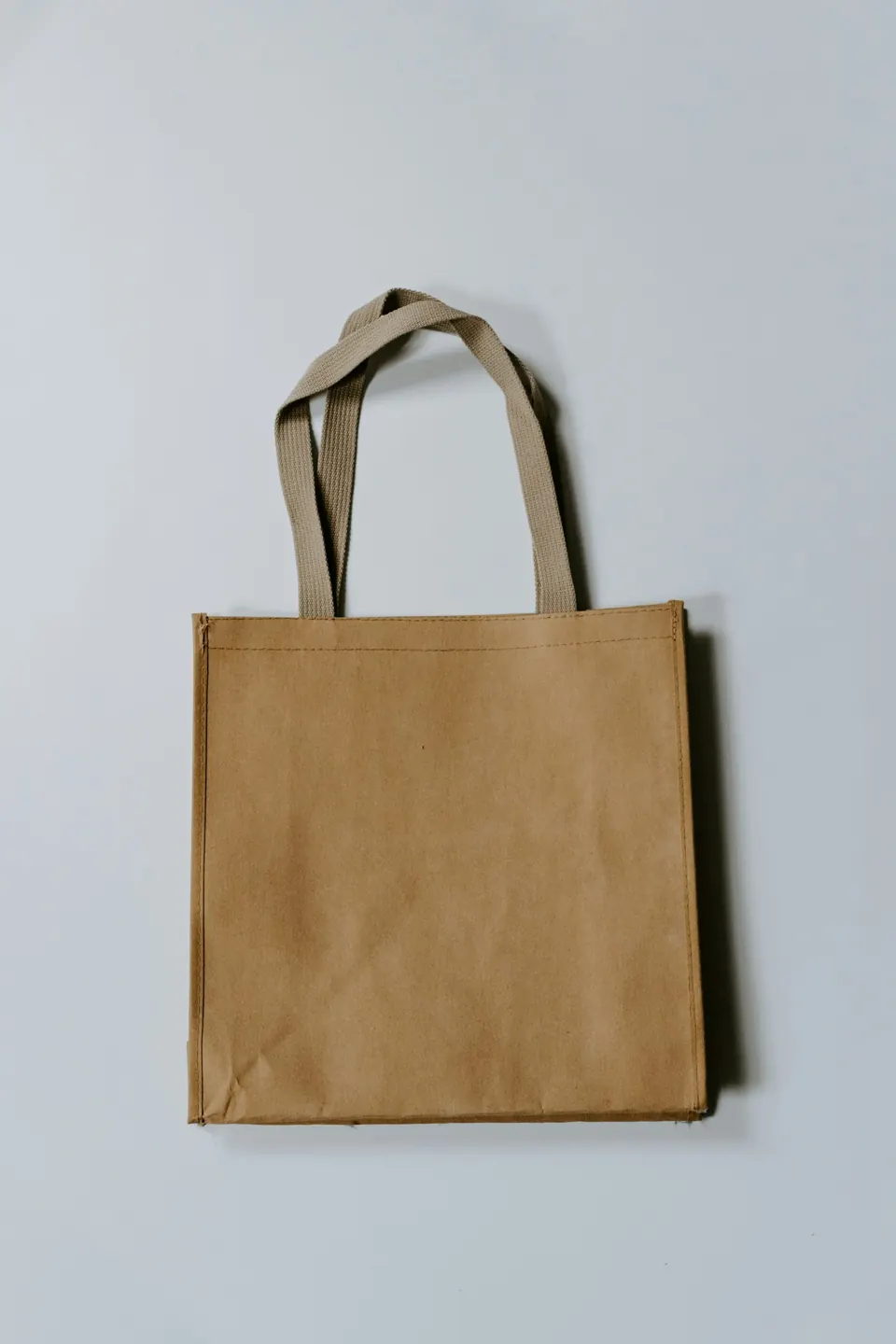
Branded kraft and art-paper carry bags for boutiques, jewellers and food outlets.
Trade terms used on this page, in plain language.
Something else? Ask on WhatsApp and the production team will reply.
Both are natural fibres. Jute needs fewer inputs to grow; cotton is easier to wash and print. Reuse matters more than the choice between them.
Share quantity, size, material and branding. We reply with specifications, MOQ and pricing, and arrange a sample first.